
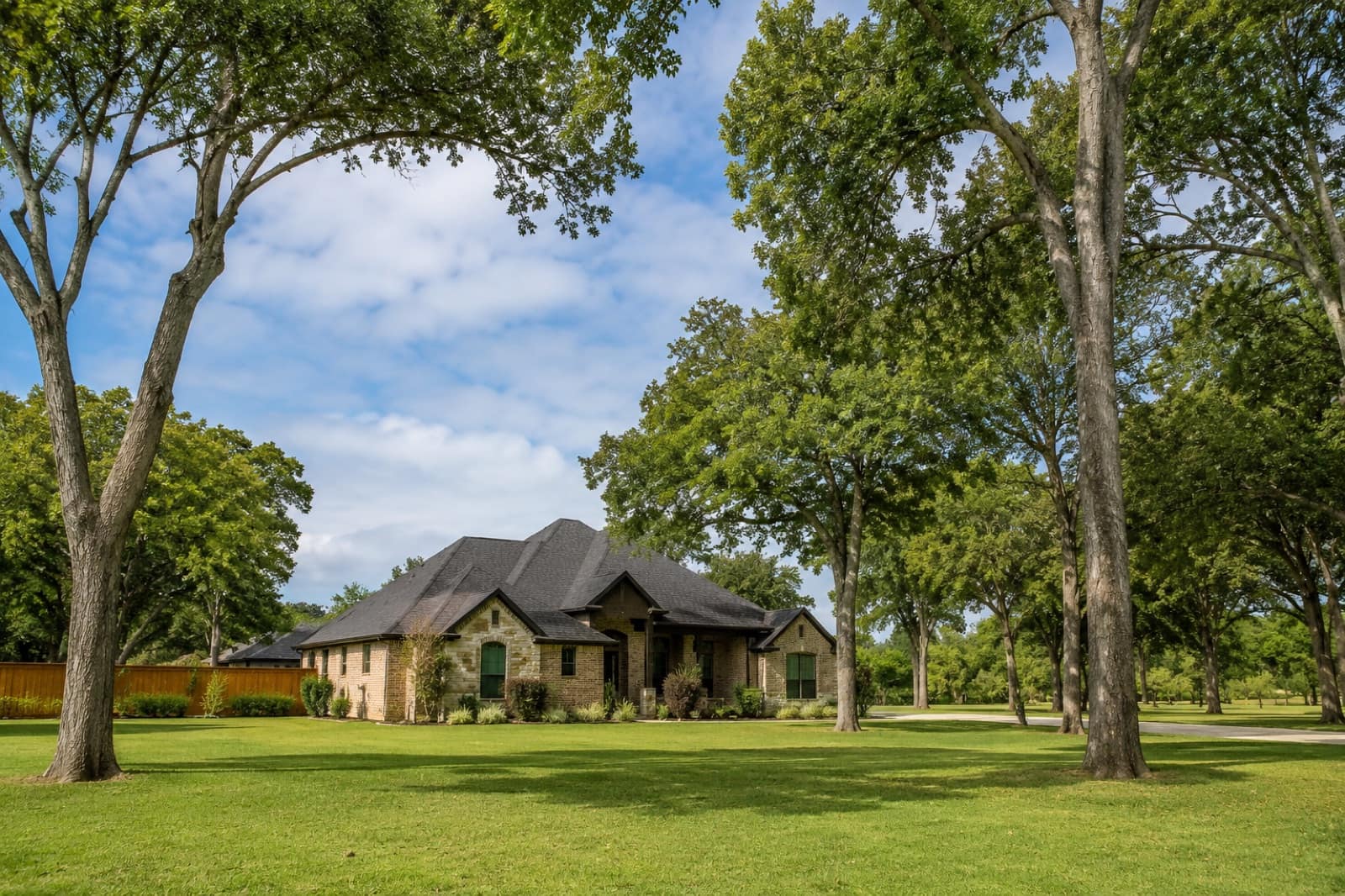
Tree Service in Northern Kentucky
K&M handles tree removal, trimming and storm cleanup across Boone County and Greater Cincinnati — done safely by a fully insured crew, with the yard cleaned up when we leave. Free estimates, straight answers about what your tree actually needs.
Tree work we handle.
Tree removal
Full takedowns, including trees close to houses, fences and lines. Sectioned from the top and lowered on ropes when there's nowhere to drop it — planned before the first cut, and insured.
Trimming & pruning
Deadwood out, weight off overextended limbs, clearance back from roofs, gutters and driveways. Proper cuts at the branch collar so the tree seals instead of rotting.
Storm damage cleanup
Trees on structures, blocked drives and hangers still caught in the canopy. We prioritize hazards, and we document the work if you're filing an insurance claim.
Hazard & dead tree work
Dead ash, storm-cracked hardwood and leaners handled with the approach the wood can actually take — brittle trees don't get climbed like healthy ones.
Stump grinding
The stump ground below grade so you can mulch, seed or plant over it. We'll price it with the removal or come back for it — your call, agreed up front.
Brush & debris hauling
Wood, brush and chips gone when we pull out. Tell us if you want the trunk cut to firewood length and stacked; otherwise it leaves with us.
Done the way this ground demands.
Tree work is the one trade where hiring cheap can cost you a roof. Northern Kentucky's spring storms and ice take down limbs and whole trees every year, and a lot of what's standing in older neighborhoods around Florence and Burlington is big, mature hardwood growing close to houses. Taking that down safely is planned, insured, deliberate work — not a guy with a chainsaw and a ladder.
The trees that hurt people here are rarely the ones that look dangerous. It's the ash that died years ago and has been drying out ever since, brittle enough that a climber can't trust it. It's the silver maple with two trunks and a seam of bark grown down between them, waiting for the right ice load. Part of what you're paying for is somebody who knows the difference before the saw comes out.
Our clay soil works against us too. It holds water, and after a wet week the ground gives before the wood does — that's why so many storm calls around Union and Walton are whole trees tipped over with the root plate lifted out of the lawn, not trunks snapped in half. It's also why a tree that leans worse this year than last is telling you something worth listening to.
We're family-owned, fully licensed and insured for tree work specifically, and we'll tell you honestly whether a tree needs to come down or just needs attention. Everything we cut gets hauled or chipped — no brush pile parting gift, no coming back next week for the wood.
Call us when
- A tree is dead, dying or dropping real limbs — not twigs — every time it blows
- Branches are over the roof, driveway or the service line to your house
- A storm left something down, split, or hanging up in the canopy
- A tree leans worse than it used to, or the ground at its base is lifting
- You see mushrooms or shelf fungus at the base, or bark peeling off in sheets
- A tree's too close to the foundation, the septic field or the fence and you want a straight opinion
From first call to final walk-back.
Free on-site look
We come out and actually look at the tree — species, condition, lean, what's under it and how we'd get equipment near it. No obligation, and no quoting a tree we haven't seen.
A plan and a real number
You get the approach in plain language: what comes down, how it comes down, what happens to the wood and the stump, and one price that covers it. The number we give is the number you pay.
Site setup
Drop zone cleared, vehicles moved, ground protected where equipment has to cross soft lawn, and anything fragile — beds, AC unit, fence panels — covered or moved before a saw starts.
Sectioning and rigging
In open yard a tree can be felled whole. Near a house it comes down in controlled pieces, each one roped and lowered instead of dropped. Slower, and the only right way over a roof.
Cleanup, haul-off and stump
Brush chipped, wood cut and loaded, the stump ground below grade if that's part of your number, and the yard raked and blown clean. It should be hard to tell where the tree was, minus the tree.
How it comes down.
Felling in one piece
When there's a clear drop zone and the wood is sound, the tree comes down whole and gets cut up on the ground. Fastest and cheapest — it just requires room most yards don't have.
Climbing and rigging
The tree is worked from the top down, with limbs and trunk sections roped to a rigging point and lowered under control. This is how removals happen over roofs, fences and tight side yards.
Lift or equipment-assisted access
For dead, hollow or badly damaged trees that can't safely be climbed, the work gets done from a lift or with equipment brought in to pick the pieces out. On brittle wood it's the right call.
Stump grinding
A grinder shaves the stump and buttress roots below grade so the spot can be filled, seeded or planted. It doesn't extract the whole root system — that's a different, far more disruptive job.
What drives the cost of tree work
We won't quote a tree over the phone, and you should be skeptical of anyone who does. Two trees the same height in the same neighborhood can be very different jobs depending on what's underneath them and whether a truck can get close. Here's what actually moves the number, so you can judge any estimate you get — ours or anyone else's.
Size — height and diameter
Height gets the attention, but trunk diameter drives the weight. Doubling the diameter roughly quadruples the wood, and that wood has to be cut, moved and hauled. A tall skinny tree is often the easier job.
What's underneath it
The biggest factor. A tree with open lawn around it can be felled in one piece. A tree over a roof, a fence or a neighbor's garage comes down in roped sections — hours instead of minutes.
Condition of the wood
Dead, hollow or storm-cracked trees can't be trusted to hold a climber or take rigging loads. That often means reaching it from a lift or working it in smaller, more careful pieces — more time, more care.
Lean and where it wants to go
A tree leaning toward the house has to be pulled or dismantled against its lean. A tree leaning into open ground is doing half the work for us. Same tree, very different day.
Access for equipment
Whether a chipper and truck can get within reach matters enormously. A backyard behind a narrow gate or a soft, sloped lot means everything gets carried out by hand, and that's labor.
Haul-off and what stays
Volume of brush and wood leaving the property is real cost. Keeping the trunk for firewood or letting us leave chips as mulch can take some of it off; wanting every last chip gone adds to it.
Stump and species
Stump grinding is priced by diameter and grind depth, and a wide oak stump is not a small maple. Dense hardwood also cuts slower and weighs more than soft species of the same size.
Trim it or take it down
Most people call us assuming a tree has to go. A fair share of the time it doesn't. Here's roughly how we sort it on the walk-through.
Trimming usually solves it when
- The trunk is sound and the roots are stable — the problem is specific limbs
- Branches are on the roof or blocking the drive, but the tree itself is healthy
- There's deadwood in the crown of an otherwise vigorous tree
- The canopy is so dense nothing grows under it and it needs thinning for light
- One overextended limb is carrying too much weight out over something you care about
Removal is the honest answer when
- The tree is dead or mostly dead — bare limbs in summer, bark shedding in sheets
- There's a split trunk, a major crack, or shelf fungus and soft wood at the base
- The lean is getting worse or the soil at the base is heaving and cracking
- Roots are into the foundation, the drive or the septic field
- More than a third of the crown would have to come off to make it safe — at that point you're not pruning, you're prolonging
Tree Service, up close.
Tree Service across Northern Kentucky.
Serving within 50 miles of Northern Kentucky.
Tree Service questions.
Anything else — ask on the walk-through. You'll get the same straight answer either way.
How much does tree removal cost in Northern Kentucky?
It depends on the tree's size, its condition, what sits underneath it, and whether equipment can get close. A 30-foot tree in an open yard and an 80-foot oak between two houses are completely different jobs. We look for free and quote the actual tree — no phone guesses, and the number we give is what you pay.
Why would two trees the same height be priced differently?
Trunk diameter, species and access. A thick hardwood holds several times the wood of a slim tree the same height, and dense wood cuts slower and hauls heavier. Then there's whether we can fell it whole or have to rope every piece down over a roof. Access and drop zone usually matter more than height.
Are you insured for tree removal?
Yes — fully licensed and insured, including for tree work specifically. That matters more in this trade than any other: if someone uninsured drops a limb on your house, that becomes your claim, not theirs. Ask us and we'll show you the paperwork before anyone climbs anything.
Is stump grinding included in a removal?
Only if you want it, and it's priced on the estimate either way so nothing surprises you afterward. Some people want the stump gone to reclaim the spot for grass or a bed; others are fine leaving it cut low. We'll grind below grade and leave the area ready to fill and seed.
Why are dead ash trees handled differently?
Emerald ash borer killed a huge share of the ash across the Ohio Valley, and a dead ash keeps getting more brittle every year it stands. The wood snaps without warning, which makes it dangerous to climb and unreliable for rigging. Those trees usually get worked from a lift or dismantled in small pieces, and they don't get safer by waiting.
Do you handle storm damage and insurance claims?
Contact us about storm debris and tree cleanup. Share the location, damage and access conditions so we can discuss the work and current availability. If you are filing an insurance claim, tell us what documentation your insurer needs.
Do I need a permit to remove a tree on my property?
Usually not for a tree in a private yard, but it can depend on your city, county or subdivision, and trees near the right-of-way are their own conversation. We'll check what applies to your address before work starts, and we'll tell you if the utility needs to be involved because of lines.
What's the best time of year for tree work?
Removals and hazard limbs can happen any time — never wait on those. Structural pruning is generally best in the dormant season, late fall through winter, when the tree is idle and we can see the whole framework. Oaks are the exception worth planning around: they're better pruned outside the spring flush.
Will you tell me if a tree doesn't need to come down?
Yes, and we regularly do. Sometimes trimming solves the problem for a fraction of a removal, and sometimes a tree that looks rough is just ugly rather than dangerous. You get our honest read either way. We'd rather earn the next job than oversell this one.
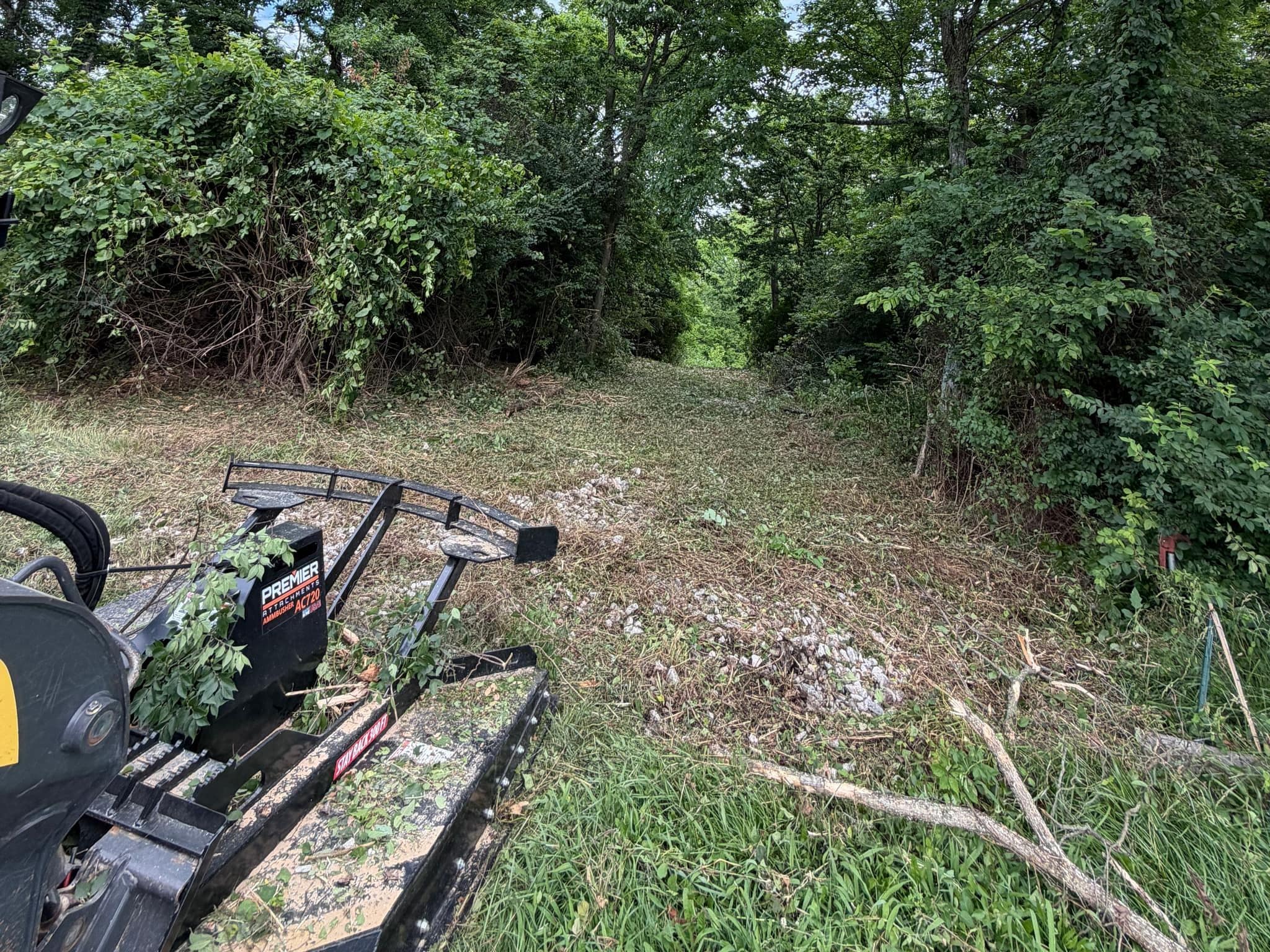
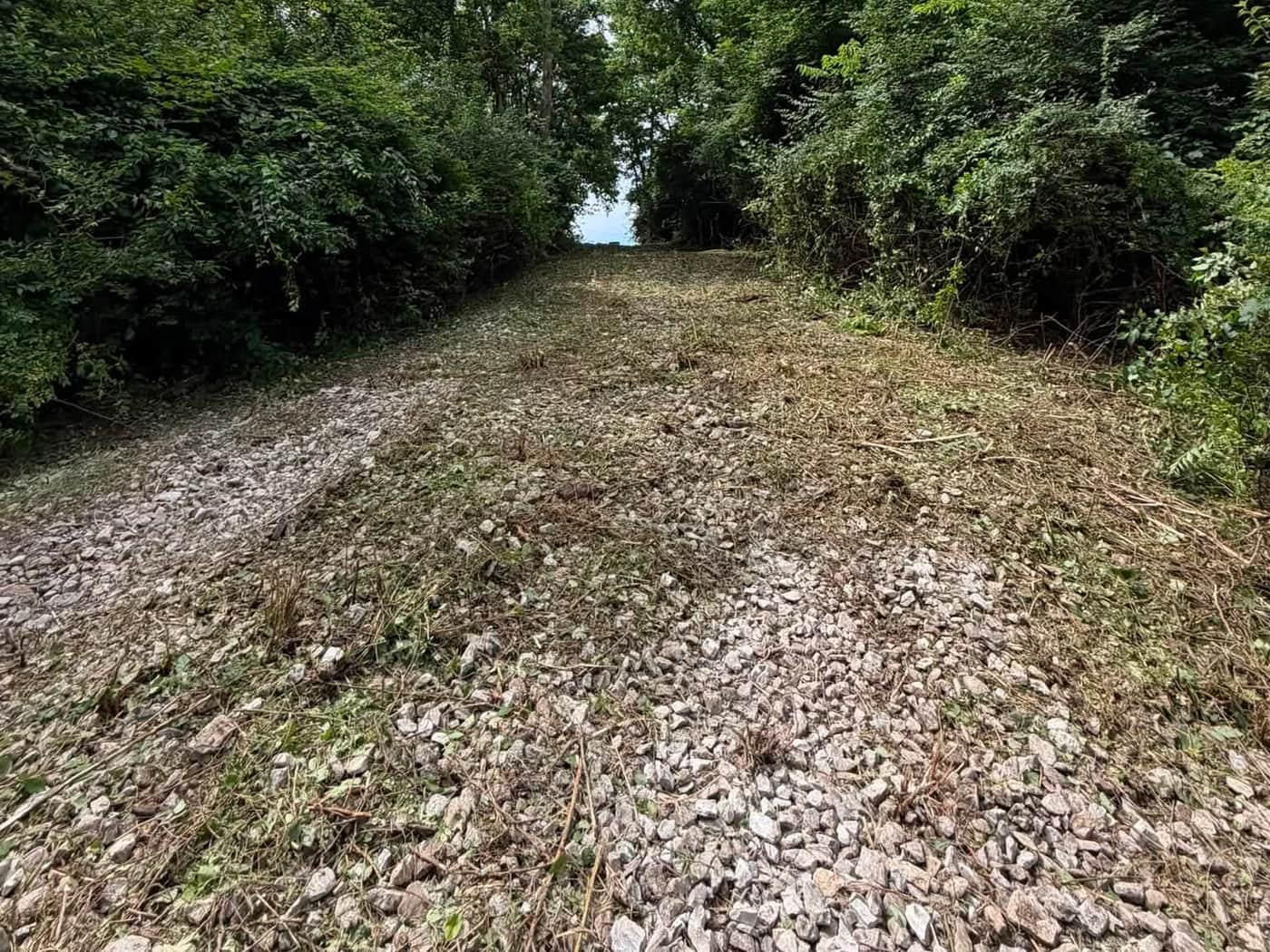
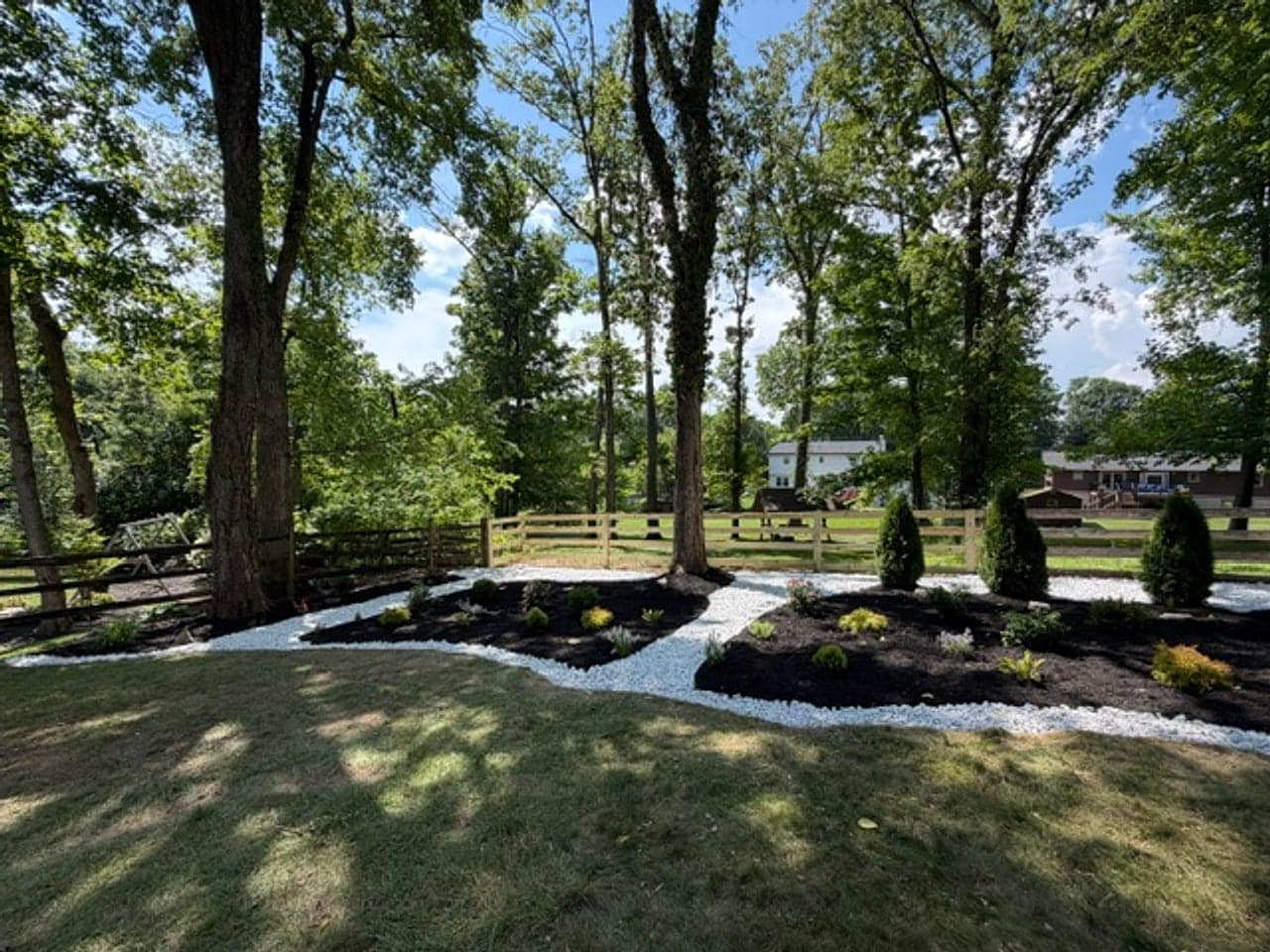
Tell us what the property needs.
Send it over or call — we'll come look, talk it through straight, and give you a number you can trust. No pressure, no runaround.
Call direct(859) 903-4098- 1
Call or send the form
Tell us what's going on with the property.
- 2
Free walk-through
We come look, talk it through straight, and give you a real number.
- 3
We do the work
Done right, cleaned up, and stood behind.